FOR CHARITIES AND VALUES-LED ORGANISATIONS THAT CARE ABOUT DOING INCLUSION PROPERLY
Neurodiversity consultancy for values-led organisations
You champion inclusion for the people you serve, and you want your own workplace to live up to those same values, but it's hard to know where to start (or whether what you're already doing is enough) when everyone is busy with their day job.
I help you see clearly where you are and what to do next, so the care you have for your neurodivergent staff shows up in how your organisation actually runs.
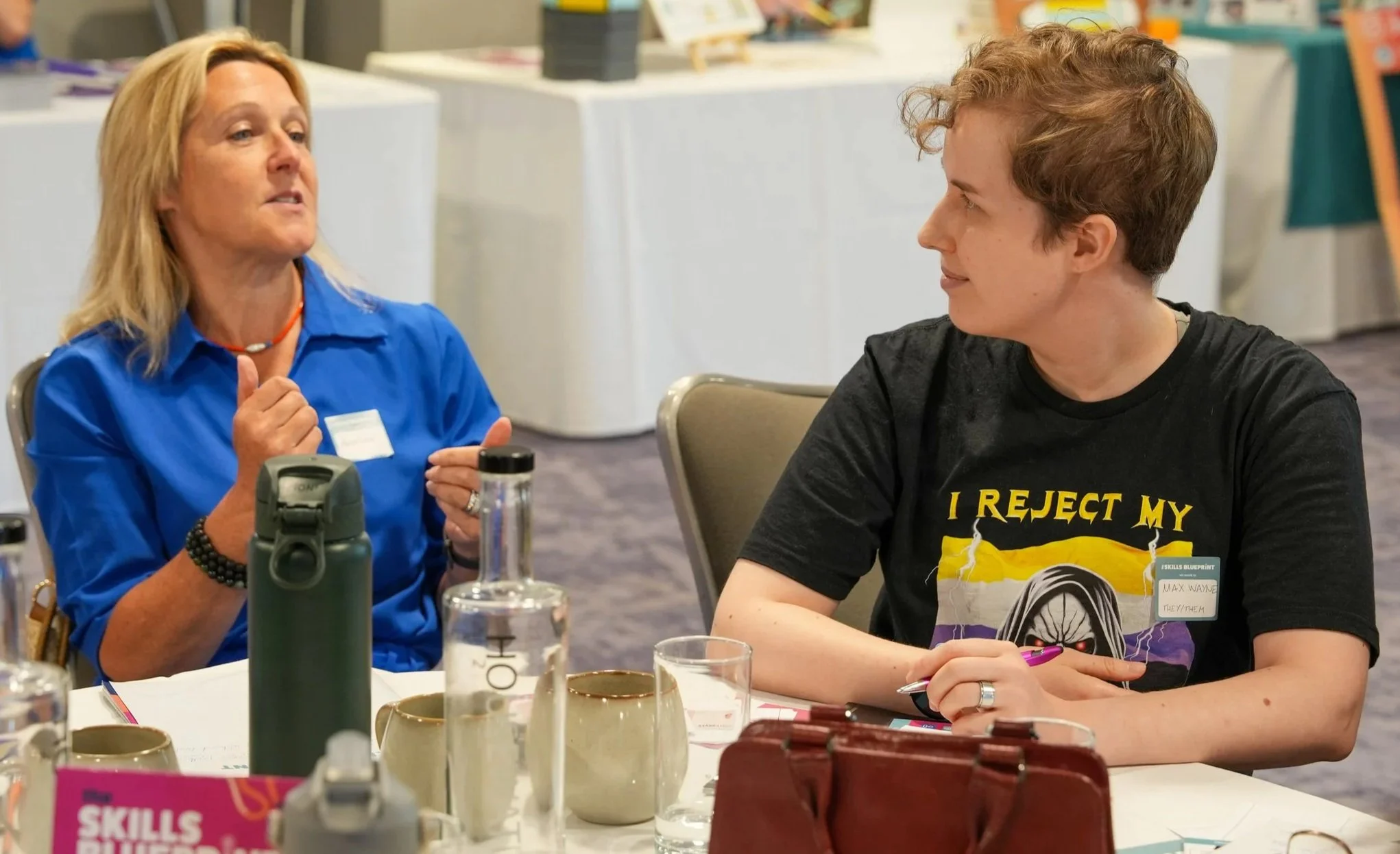
Does this sound like your organisation?
Neurodivergent people (e.g. autistic people and people with ADHD, dyslexia, or dyspraxia) are already part of your team, whether they're diagnosed or not and whether they've told you or not.
Most values-led organisations I speak to already know this and want to do right by them. The hard part is usually turning that intention into something people get to experience in their day-to-day work.
Where are you right now?
You're trying to work out neuroinclusion yourselves on top of everyone's day job, so it keeps getting pushed down the list, and the change you want to see happens much more slowly than you'd like (or not at all).
You've already taken steps (e.g. had an awareness session or added a line about neurodiversity in your EDI policy), but you're not sure whether it's good enough or whether you're on the right track.
You want to do more, but you don't know where to start, and you're worried that getting it wrong could let down the very people you're trying to support.
You want to support people, but there isn't a proper process, so nobody really knows how to ask for help, so people keep struggling without telling you, and you have no way of knowing whether your good intentions are reaching them.
You've started to notice that the ways of working the organisation was built on suit some people far better than others, and you want a better way forward for everyone.
What changes when you get the right support?
You know where you stand and you have a clear roadmap for what to do next, so progress no longer depends on someone finding spare time in their busy days.
People feel safe enough to come forward and tell you what they need, so you can support them properly instead of guessing at what might help.
The changes you make work for everyone in the team, regardless of neurotype, so nobody has to be singled out (or share a diagnosis) to be included and treated with equity.
Managers start to think differently about how they communicate and plan work, and that shift sticks long after memories of a one-off training day would have faded.
You can be confident that the inclusion you champion for others is happening inside your own organisation too.
30%
of organisations have a clear neuroinclusion goal and strategy in place, so if you're not sure where to start, you're in the majority, and it doesn't mean you've been getting it wrong.
Source: Autistica, Neurodiversity Employers Index Market Report, 2024
1 in 3
neurodivergent employees feel uncomfortable asking for adjustments (compared with around 1 in 7 of their colleagues), so even in caring organisations, people may be struggling without ever telling you.
Source: Autistica, Neurodiversity Employers Index Market Report, 2024
Why doesn't a one-size-fits-all approach work?
Neurodivergent people present very differently, even when they share a diagnosis, so what helps one person can make things harder for someone else (e.g. one colleague may need a fixed desk away from the others, while another works best with lots of movement and someone to talk tasks through with). That's why blanket approaches, however well-meant, won't truly support your vision of inclusion, and why everything I recommend is built around your organisation and the people in it.
Why work with me?
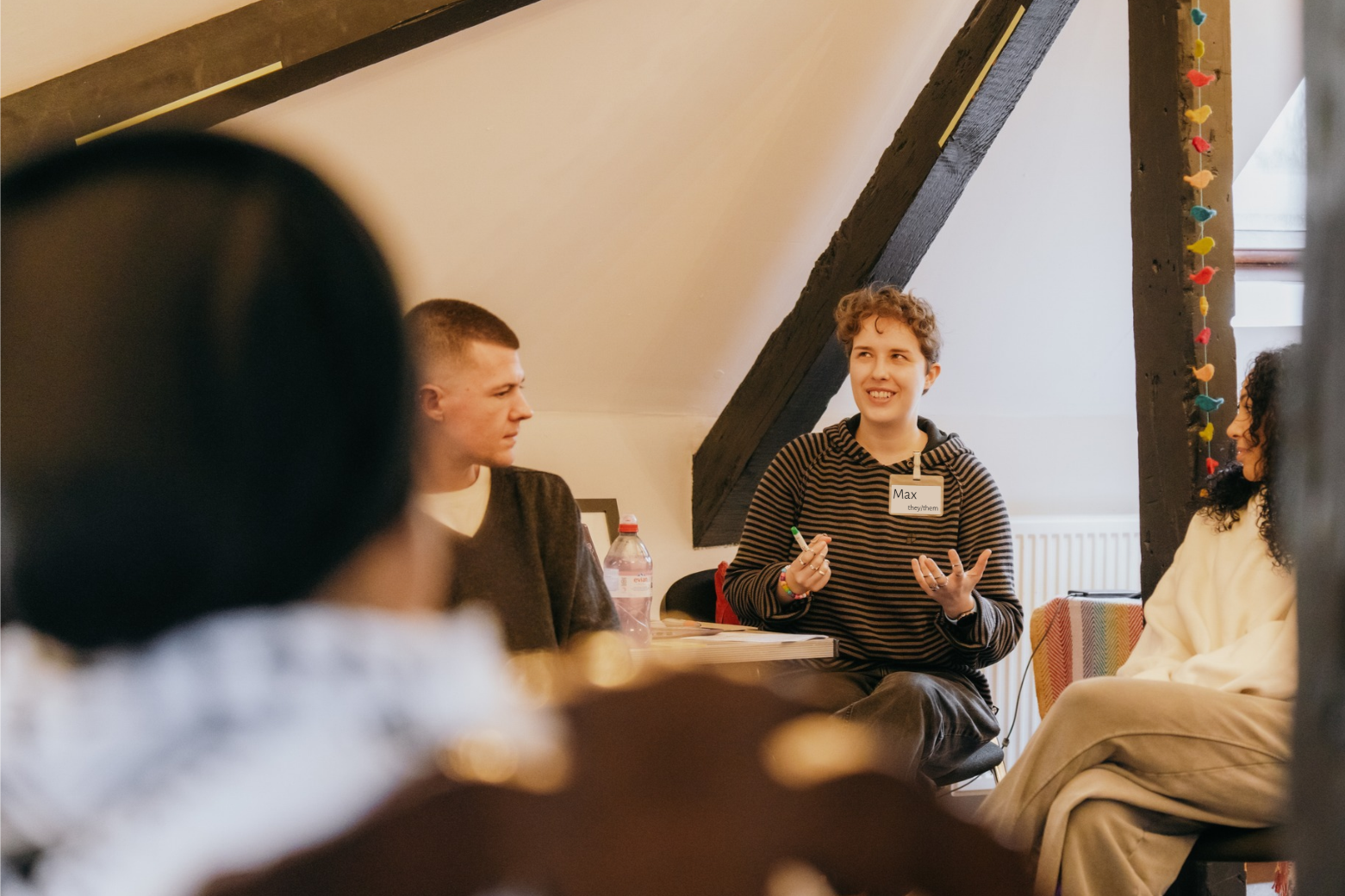
I know what both sides look like
I'm neurodivergent myself. I've worked in organisations with good and bad inclusion practices, and I know first-hand what a difference it makes when things are done properly. I can see things from your staff's side as well as yours, and spot what's getting in the way before people burn out trying to cope with it.
I'm driven by a mission
You'll be working with someone who cares as much as you do about getting this right for your people. I bring my passion and enthusiasm to working with other values-led organisations because I want more workplaces to be genuinely inclusive of neurodivergent people, and I'm here to wholeheartedly support your efforts to do so.
You always know what to do next
Everything I deliver ends in clear recommendations and next steps, so you're never left wondering what would actually move you forward. With my help, you can stop worrying about saying or doing the wrong thing and feel confident about the decisions you make.
Understanding and structure, together
My advice combines education with practical strategies, so you have the awareness to make the right decisions and the systems in place to follow through on them.
Five years of building systems that work
I've spent five years working with neurodivergent-led organisations, creating the systems and processes that really support their neurodivergent staff, so I can recognise patterns and offer solutions much more quickly, which means you make progress much faster than you would trying to work it all out on top of the work you already do.
How can I help your organisation?
Whether you need a neurodiversity audit of what you already have, neurodiversity training for your managers, or help with one specific situation, every piece of work I deliver leaves you with a strategy and concrete recommendations you can act on, so you can make real progress without having to work it all out yourselves.
Prices based on scope
Neurodiversity audits and reviews
Is what you already have working for neurodivergent staff? Find out whether you're on the right track and where the gaps are.
-
Neurodiversity policy review
I go through your existing policies (e.g. sickness absence or performance management) and make them neurodivergent friendly, so they support people in practice rather than existing for the sake of it without anyone really using them or understanding them.
-
Systems review
Are your existing systems working for neurodivergent staff? I look at how work actually gets done day-to-day (e.g. how tasks are handed out or how meetings run) and show you what's getting in the way of work getting done effectively across your team. You will have an actual reason for why things are done in a certain way instead of the dreaded "because that's how we always used to do things".
-
Reasonable adjustments audit
I look at the adjustments you already have in place, whether people even know how to request them, and whether they're working in practice, and then show you what's missing so these adjustments can really serve the people who work with you rather than existing as an HR tick-box exercise.
-
Recruitment and employee lifecycle review
Where are you losing your talent? I review each stage from job advert to exit (e.g. interviews, onboarding, appraisals, promotions) to find where neurodivergent people are being filtered out or worn down, so candidates and staff experience the welcoming, fair organisation you want to be.
-
Handbook, process, and SOP review
Is it all as clear as it could be? I review your staff handbook, processes, and standard operating procedures (SOPs) to check they make sense to everyone in the team, not only the people who wrote them. Imagine what would change if people could stop asking the same routine questions because the answers are clearly documented and easy to use!
Neurodiversity training and workshops
Give your managers and HR team the understanding to act well.
-
Neurodiversity workshops for managers and HR
Workshops that build culture change how leadership is practised day to day. Help your managers and HR understand why neurodivergent people have different needs and how to respond to them in everyday situations (e.g. one-to-ones or conversations about workload). Imagine a culture where you can stop worrying about saying the wrong thing and feel confident asking people what would help.
-
Access to Work training
Access to Work is a UK government grant that funds support for disabled and neurodivergent employees. I explain how it can help your staff, what your responsibilities are as an employer, and what the process looks like for everyone involved, so you can point staff towards funded support with confidence and play your part in supporting employees through the process.
Creating clear, neuroinclusive documentation
Write it down once, so nobody has to keep asking the same things.
-
Neurodivergent-friendly handbook, process, and SOP creation
I write new handbooks, processes, and SOPs with you, so everyone in the team feels supported and can get on with their work, because they don't have to ask how to do something every time it comes up.
Help with a specific situation
For when you have one question or one person in mind.
-
Advice sessions
You bring a concrete question (e.g. "how do we make our team meetings work for everyone?") and you get practical advice in a single consultation, so you can stop going round in circles on it and move forward knowing you're doing the right thing.
-
Support plans for individual employees
If you have a neurodivergent employee and you don't know what would help them, I'll help you both figure it out and put it into a clear plan you can follow, so your employee feels heard and supported, and you can stop worrying about whether you're getting it wrong.
What difference will it make to your organisation?
Your workplace lives up to the values you champion
You already stand up for inclusion for the people you serve, and this work makes sure your own staff get that same care, through changes they can feel in their working day. The best thing is that you get to know for certain that the inclusion you talk about is happening inside your own organisation, and you can say so with confidence.
You'll know you're on the right track
You get an honest outside view of where you are now and a clear plan for what comes next, so you can stop wondering whether what you've done is good enough and share your progress with your trustees or board.
People feel safe to tell you what they need
When staff see that asking is welcome and something actually happens when they do, they become more open about what they find hard, so your support reaches the people it's meant for.
Changes that make work better for everyone
Small, practical changes can make the working day less stressful for the whole team, not just neurodivergent staff. Working with universal design principles means nobody has to be singled out to get support.
Inclusion that lasts
Because the changes are built into your systems and the way your managers think, they keep working after I've gone, so your inclusion work never turns into a tick-box exercise where nothing actually changes.
How does it work?
Everything happens online by default, and I can come to you in person if you'd prefer.
-

Tell me about your organisation
Fill in a short form so I can understand where you are before we speak. This means our discovery call can focus on what matters most to you.
-

Free discovery call
A free 30-minute conversation to talk through what you'd like to change and how I can support you to achieve it.
-

Your proposal and quote
You get a written proposal setting out what the work covers, who needs to be involved, what you'll receive, and the price, so you can take it to your team or trustees before deciding.
-

The work and your recommendations
I do the work and deliver clear, prioritised recommendations and next steps.
-

Implementation (optional)
I can help you put the recommendations into practice, or your team can take them forward yourselves.
-

Review a month later
We meet after a month to check the recommendations landed and work out whether you need any further support.
Is this right for your organisation?
I work with charities, community interest companies (CICs), social enterprises, and businesses that care about inclusion and want to do it properly. This is for you if:
You want to create genuine change for your neurodivergent staff, rather than a tick-box exercise
You want more than awareness, and you're ready to take action that changes your systems as well as people's understanding
You want neurodivergent people to be able to do their best work with you, because the way you work and the way people treat each other makes room for them
You champion inclusion for the people you serve, and you want your own workplace to live up to those same values
You're open to questioning how things have always been done, including the habits your organisation was built on
You want changes that make work better for everyone, so nobody has to be singled out or share a diagnosis to get support
You care about how your staff's working day actually feels
You know from your own experience, or from someone close to you, what it's like to work somewhere that doesn't make room for neurodivergent people, and you want your organisation to be different

Ready to make a change for your organisation?
You don't need to have it all figured out before you get in touch. Working out where to start can be covered during the discovery call. Fill in the form and tell me a little about your organisation and what's on your mind (e.g. a policy you're unsure about, or a colleague you'd like to support better), and we'll talk it through with no pressure to commit.
Every piece of work is priced by quote, based on the scope and how much work is involved, so you only pay for what you actually need, and you'll receive a written proposal with your quote shortly after our discovery call.
Any questions? You can email me on the contact page.